
How to Choose the Best Robot Coffee Kiosk for Your Business

Time:2026-09-08 Author:Mason
0%

Choosing the right Robot Coffee Kiosk is not only a technology decision. It is a daily operating decision that affects service speed, coffee quality, staffing, and customer trust. A polished machine may look impressive, yet still struggle during a busy morning rush.

Henry Hu, founder of Café X, has emphasized that robotics should improve coffee consistency and accessibility, rather than create spectacle alone. That principle deserves attention. A business should examine cup quality, brewing accuracy, cleaning routines, payment systems, and technical support before comparing prices.

Picture the kiosk at 8:15 a.m. Twenty customers are waiting. The grinder must remain steady. Milk cannot sit unmanaged. The screen should guide customers without confusion. A small delay can quickly become a queue.

Location matters too. A mall kiosk may need compact dimensions and quiet operation. An office lobby may value dependable delivery and simple employee access. Outdoor sites require stronger protection against weather, dust, and temperature changes.

Review the machine’s hourly capacity, ingredient storage, water requirements, energy use, and maintenance schedule. Ask who responds when the payment terminal fails. Ask how quickly replacement parts arrive. These details are less exciting, but they protect revenue.

There is no perfect model. Some businesses may overestimate automation and underestimate cleaning work. Others may choose a cheaper unit and regret limited support later. That uncomfortable possibility should remain visible.

The best Robot Coffee Kiosk fits the business model, customer habits, available space, and realistic operating budget. It should serve good coffee consistently, not merely attract attention for a few weeks.
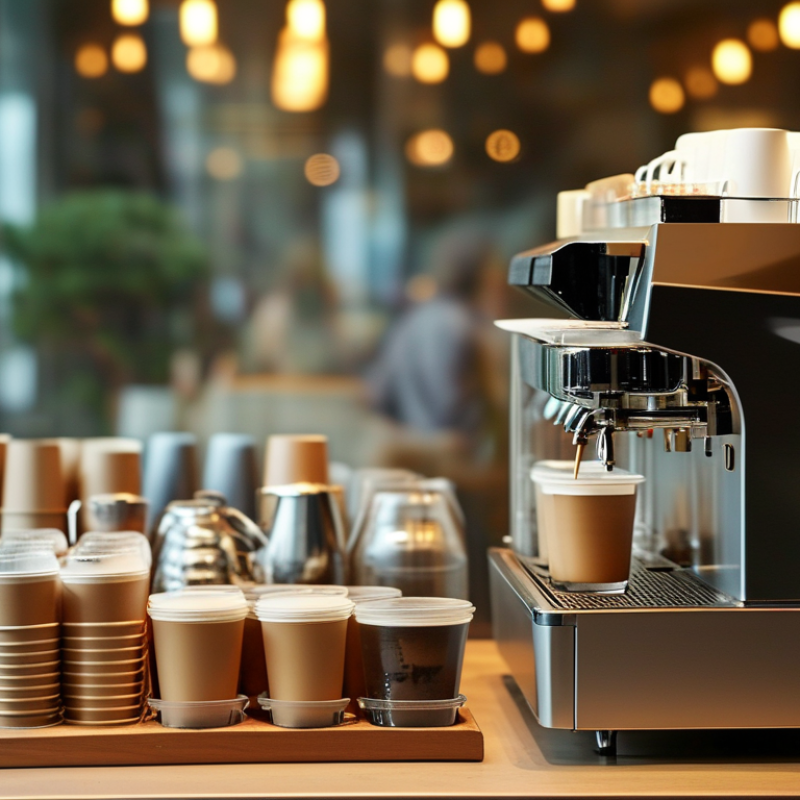
How to Choose the Best Robot Coffee Kiosk for Your Business

Define Your Business Goals and Robot Coffee Kiosk Requirements

Choosing a robot coffee kiosk starts with a clear business question: what must it improve? Do you need faster service, lower labor pressure, longer opening hours, or a distinctive customer experience? Set measurable targets, such as serving 80 drinks per hour or reducing average waiting time below four minutes. Without specific goals, attractive automation can become an expensive decoration.

Study your location carefully. A kiosk near offices may need fast espresso drinks during morning peaks. A shopping area may require broader menus, quieter operation, and easy seating access.

Measure available floor space, power supply, water access, drainage, ventilation, and customer flow. Check cup storage and ingredient capacity too. Small details matter.

Your requirements should also cover hygiene routines, remote monitoring, payment security, maintenance access, and staff training. Ask how often milk systems, nozzles, and brewing components need cleaning. Request service response times and documented performance data. A short pilot can reveal problems that a sales demonstration hides. I once assumed a compact footprint meant easy installation. That assumption was wrong. Door width, floor leveling, and delivery access created unexpected delays. Leave room for human supervision, especially during busy periods. Robots are consistent, but they do not always understand an unusual order or a blocked pickup area. A practical requirement list should include these imperfect moments.

Evaluate Coffee Quality, Menu Options, and Automation Features

A robot coffee kiosk should be judged by the cup, not its moving parts. The National Coffee Association’s Spring 2024 report found that 67% of American adults drank coffee the previous day. That demand makes consistency important. Test espresso temperature, beverage time, milk texture, and flavor across busy periods. The Specialty Coffee Association recommends a brewed coffee strength near 1.15% to 1.35% total dissolved solids, with extraction around 18% to 22%. These figures provide a useful starting point, not a substitute for tasting.

Keep the menu practical. Offer core espresso drinks, iced options, decaffeinated coffee, and a few seasonal choices. Each extra recipe increases cleaning, training, and ingredient risks. Check whether the kiosk handles substitutions clearly. Milk alternatives need separate storage and accurate allergen information. Small screens can make complex menus frustrating. Watch real customers order. My first evaluation sheet overvalued speed and ignored menu confusion. That was a mistake.

Automation should support quality control. Look for automatic dosing, grinder adjustment, temperature monitoring, cleaning alerts, inventory tracking, and remote fault notifications. Ask for service records and calibration procedures. A kiosk that reports low milk but not weak espresso is only partly intelligent. The National Coffee Association’s 2024 findings also show that coffee habits remain widespread, but customer expectations differ by occasion. Measure repeat orders, waste, failed recipes, and customer complaints for at least four weeks. Fast is useful. Reliable is better.

How to Choose the Best Robot Coffee Kiosk for Your Business

Compare typical kiosk configurations by coffee quality, menu flexibility, operating capacity, and automation features. Specifications are representative planning benchmarks for commercial self-service deployments.

Evaluation Dimension What to Check Compact Self-Service Kiosk Standard Automated Kiosk High-Volume Automated Kiosk Recommended Benchmark
Coffee Brewing Method Confirm whether the system uses freshly ground beans, pod-based brewing, or liquid concentrate. Fresh-ground espresso and brewed coffee; one grinder. Fresh-ground espresso and brewed coffee; two bean hoppers. Fresh-ground coffee with separate espresso and batch-brew modules. Fresh-ground system
Espresso Extraction Look for programmable dose, grind adjustment, extraction temperature, and pressure control. Fixed or limited recipe control; approximately 18–22 g dose. Programmable dose and grind settings; approximately 18–22 g dose. Multiple recipes with automatic calibration and waste monitoring. Programmable recipes
Beverage Quality Consistency Evaluate temperature stability, portion control, milk dosing, and automated cleaning routines. Suitable for approximately 30–60 drinks per day. Suitable for approximately 60–150 drinks per day. Suitable for approximately 150–300 drinks per day, depending on menu mix. Repeatable recipes
Milk Options Check support for dairy, plant-based alternatives, refrigeration, allergen separation, and waste control. One refrigerated milk option; limited alternative-milk support. Two milk options with automatic chilling and measured dosing. Three or more options with dedicated lines or sealed cartridges. At least 2 options
Menu Range Assess whether the kiosk can support core coffee drinks, iced beverages, tea, and add-ons. Approximately 8–12 drinks, including espresso, americano, latte, and cappuccino. Approximately 12–20 drinks, including iced and flavored beverages. Approximately 20–30 drinks with multiple sizes, flavors, and milk choices. 12–20 core drinks
Drink Preparation Time Measure the complete customer cycle, including payment, grinding, brewing, dispensing, and handoff. Approximately 90–150 seconds per drink. Approximately 60–120 seconds per drink. Approximately 45–90 seconds per drink, depending on the recipe. Under 120 seconds
Peak Hour Capacity Match throughput to foot traffic and avoid queues during commuting, lunch, or event periods. Approximately 20–30 drinks per hour. Approximately 30–50 drinks per hour. Approximately 50–80 drinks per hour with optimized workflows. Capacity above peak demand
Ingredient Capacity Review bean, milk, cup, lid, flavoring, and waste-bin capacity between service visits. Beans: 2–4 kg; cups: 100–180; waste bin: 3–5 L. Beans: 4–8 kg; cups: 180–300; waste bin: 5–10 L. Beans: 8–15 kg; cups: 300–500; waste bin: 10–20 L. One full business day
Payment and Ordering Check contactless payments, mobile wallets, QR ordering, receipt options, and refund controls. Card and contactless payment; on-screen ordering. Card, mobile wallet, QR ordering, and digital receipts. All standard payment methods plus remote order integration. Contactless enabled
Automation Features Prioritize automatic dosing, cup dispensing, lid placement, cleaning alerts, and fault detection. Automatic dosing and basic cleaning reminders. Automatic dosing, cup dispensing, cleaning prompts, and remote alerts. Automated dispensing, cleaning cycles, inventory alerts, and remote diagnostics. Remote monitoring
Operator Involvement Estimate refill, cleaning, troubleshooting, and daily inspection time. Approximately 45–75 minutes per day. Approximately 30–60 minutes per day. Approximately 45–90 minutes per day because of higher ingredient volume. Documented daily checklist
Cleaning and Hygiene Verify food-contact cleaning cycles, milk-line sanitation, access controls, and cleaning records. Daily manual cleaning with guided prompts. Automated rinse cycles plus daily manual sanitation. Automated cleaning cycles with scheduled deep cleaning and digital logs. Daily sanitation logs
Remote Management Look for live status, sales reporting, inventory visibility, error alerts, and software updates. Basic sales report and local error display. Cloud dashboard with inventory and maintenance alerts. Multi-location dashboard with performance analytics and remote configuration. Cloud dashboard
Footprint and Utilities Measure floor space, ventilation, drainage, water supply, power load, and accessibility requirements. Approximately 1.0–1.5 m²; standard power and water tank option. Approximately 1.5–2.5 m²; plumbed water preferred. Approximately 2.5–4.0 m²; dedicated power and drainage typically required. Site survey completed
Best Business Fit Choose according to customer volume, staffing availability, menu complexity, and available floor space. Small offices, hotels, clinics, and low-to-moderate traffic areas. Retail sites, campuses, transport hubs, and medium-traffic workplaces. Large venues, hospitals, universities, and high-traffic commercial locations. Volume-matched design

Selection rule: Choose a kiosk whose tested peak-hour capacity is at least 20% higher than your expected peak demand, while confirming local food-safety, electrical, plumbing, accessibility, and payment-compliance requirements before installation.

Compare Kiosk Design, Size, Placement, and Customer Accessibility

How to Choose the Best Robot Coffee Kiosk for Your Business

A robot coffee kiosk should fit the site before it impresses customers. During site checks, measure door widths, ceiling height, power access, and queue space. A compact kiosk may suit a narrow lobby, while a larger unit needs room for service access and customer movement. Leave clear walking routes around the machine. Crowded layouts create hesitation and slow ordering.

Design affects trust. Use bright, even lighting and a visible preparation area where possible. Customers want to understand what happens after payment. A simple screen layout reduces mistakes during busy periods. Physical buttons may help customers with limited dexterity, while adjustable screen height can improve access for wheelchair users and children. Small details matter.

Placement changes daily sales. A kiosk near an entrance may attract attention, but noise and queues can block traffic. A position beside offices may support morning demand, though afternoon sales could weaken. Test the location during different hours. Watch how people approach, wait, collect drinks, and leave. I once favored the most visible corner, but reflections on the screen made ordering difficult. That mistake changed my evaluation process. Measure customer accessibility, not just footfall. Provide enough turning space, readable text, strong contrast, and a stable surface for collecting drinks. Check these features with real users, because assumptions often fail.

Assess Operating Costs, Maintenance, Training, and Technical Support

Choosing a robot coffee kiosk requires more than comparing purchase prices. Operating costs often decide whether the investment remains practical after installation. Calculate coffee ingredients, cups, electricity, payment fees, software subscriptions, and daily cleaning supplies. A low-cost machine may consume more water or require expensive replacement parts.

Maintenance needs honest attention. Ask how often brewing units, milk systems, sensors, and grinders need inspection. Request a clear service schedule and realistic repair times. A kiosk serving 150 drinks daily faces different wear than one serving 40. During a small pilot, track cleaning minutes, product waste, and unexpected stoppages. My own planning mistake was underestimating staff time between peak periods.

Training should cover drink calibration, hygiene procedures, error messages, and safe equipment shutdown. Keep instructions near the control panel. New employees should practice common faults, not only successful orders. Technical support also matters during busy mornings. Confirm support hours, remote diagnostics, spare-part availability, and escalation procedures. A confident support team can reduce lost sales, but promised response times should be written into the agreement.

Tips: Build a twelve-month cost sheet. Include labor and downtime. Test support before signing. Send technical questions during a weekend or evening. If nobody responds, reconsider the service plan. Leave room for mistakes; real operations rarely match the showroom demonstration.

Verify Safety Standards, Regulations, Scalability, and Supplier Reliability

How to Choose the Best Robot Coffee Kiosk for Your Business

A robot coffee kiosk should meet recognized electrical, mechanical, and food-safety standards before installation. Ask for current certificates, test reports, and conformity documents. Do not rely on a supplier’s sales presentation alone. Inspect the emergency-stop button, moving arms, guards, wiring, and heat protection. Each component should be accessible for inspection and safe cleaning. Food-contact surfaces need suitable materials, smooth finishes, and clear sanitation procedures. The kiosk should also support temperature monitoring, spill control, and daily cleaning records. Small details matter.

Regulations vary by country, city, and building type. Confirm permits for electrical work, ventilation, water supply, drainage, accessibility, and commercial food preparation. A local inspector or qualified consultant can identify requirements that online research may miss. I once underestimated installation rules because the kiosk appeared self-contained. That assumption created delays. A written compliance checklist is safer than memory. Keep service records and inspection documents on site.

Scalability depends on more than adding machines. Check whether the software supports multiple locations, remote alerts, inventory tracking, and user permissions. Ask how quickly replacement parts arrive and who performs repairs. Require clear response times in the service agreement. Review supplier training, warranty limits, maintenance pricing, and customer references. A pilot installation can reveal cleaning effort, queue behavior, and real energy use. The first test may expose problems. That is useful. Supplier reliability becomes clearer when questions receive precise answers, not vague promises.

How to Choose the Best Robot Coffee Kiosk for Your Business

Prioritize safety verification, regulatory compliance, future scalability, and supplier reliability before selecting a robot coffee kiosk. The weighting below is a practical procurement framework; local electrical, food-service, accessibility, and workplace-safety requirements should always be confirmed with the relevant authorities.

Key evidence to request includes a documented risk assessment aligned with ISO 12100, functional-safety documentation where applicable, electrical and machinery conformity records, HACCP-based food-safety procedures, a clear maintenance plan, spare-parts availability, software update commitments, and verified service response times.

FAQS

: What business goals should a robot coffee kiosk support?

: Define measurable targets before choosing equipment. You might target 80 drinks hourly or waiting times below four minutes. Automation should solve a clear problem. Otherwise, it may become expensive decoration.

How should I evaluate a kiosk location?

Measure floor space, power, water, drainage, ventilation, and customer movement. Check door width and delivery access carefully. A compact kiosk may still require difficult installation. Small details matter.

What menu should a coffee kiosk offer?

Keep the menu practical and easy to understand. Include espresso drinks, iced choices, decaffeinated coffee, and limited seasonal options. Every extra recipe increases cleaning and ingredient risks. Simple menus often work better.

How can I assess coffee quality?

Taste drinks during quiet and busy periods. Check espresso temperature, serving time, milk texture, and flavor consistency. A useful brewed coffee strength is about 1.15% to 1.35%. Extraction may start around 18% to 22%.

Which automation features are valuable?

Look for dosing controls, grinder adjustment, temperature monitoring, and cleaning alerts. Inventory tracking and remote fault notifications can reduce response delays. Ask for calibration procedures and service records. Do not trust movement alone.

How should hygiene and maintenance be managed?

Ask how often milk systems, nozzles, and brewing parts need cleaning. Confirm maintenance access and service response times. Staff should understand daily cleaning and basic troubleshooting. Clean equipment protects consistency.

How can customer ordering problems be discovered?

Watch real customers use the screen. Check whether substitutions, milk alternatives, and allergen information appear clearly. Small screens can make complex orders frustrating. My first evaluation focused too much on speed.

Why is a pilot period useful?

Run a short pilot before making a full commitment. Measure repeat orders, waste, failed recipes, complaints, and waiting times for four weeks. Observe blocked pickup areas and unusual orders. Busy moments reveal hidden weaknesses.

Should human supervision remain available?

Yes, especially during busy periods. Robots are consistent, but they may not understand unusual requests. A staff member can handle blocked pickup areas or unclear orders. Automation is helpful, not perfect.

Conclusion

Choosing the right Robot Coffee Kiosk begins with clearly defining your business goals, target customers, expected sales volume, and available space. Consider the level of automation you need, the types of coffee and beverages you want to serve, and whether the system can maintain consistent quality during busy periods. Evaluate the kiosk’s size, design, appearance, accessibility, and placement to ensure it fits naturally into your location while providing a convenient customer experience.

You should also compare total operating costs, including ingredients, energy use, maintenance, staff training, and technical support. A reliable supplier should provide clear service procedures, responsive assistance, and practical guidance for daily operations. Before making a purchase, verify that the equipment meets applicable safety and hygiene standards and can operate within local requirements. Finally, consider future growth: a flexible Robot Coffee Kiosk should support menu updates, performance monitoring, and expansion to additional locations without creating unnecessary complexity or expense.

Mason

Mason

Mason is a seasoned marketing professional with a deep expertise in the company's offerings and a passion for driving brand awareness. With a strong background in digital marketing strategies, he has an innate ability to connect with diverse audiences and effectively communicate product benefits.......